Our Program
Tinnitus Management is a comprehensive approach to addressing tinnitus symptoms, characterized by persistent ringing, buzzing, or other ear sounds. The program includes a combination of hearing evaluations, counseling, and customized treatment plans to help individuals manage their tinnitus symptoms.
Audiologists may also perform a combination of sound therapy, cognitive-behavioral therapy, and lifestyle modifications to help patients manage the impact of tinnitus on their daily lives.
What Is Tinnitus?
Tinnitus is the perception of noise or ringing in the ears without an external sound source. This phantom noise can vary in pitch, ranging from a low roar to a high squeal, and it may be heard in one or both ears. Tinnitus can be constant or intermittent, and its intensity can fluctuate over time.
It is important to note that tinnitus is not a disease itself but rather a symptom of various underlying conditions. These conditions can include hearing loss, ear infections, exposure to loud noises, or other health issues such as circulatory disorders.
Causes
Tinnitus can result from a variety of factors, each contributing to the perception of noise or ringing in the ears. Some common causes of tinnitus include:
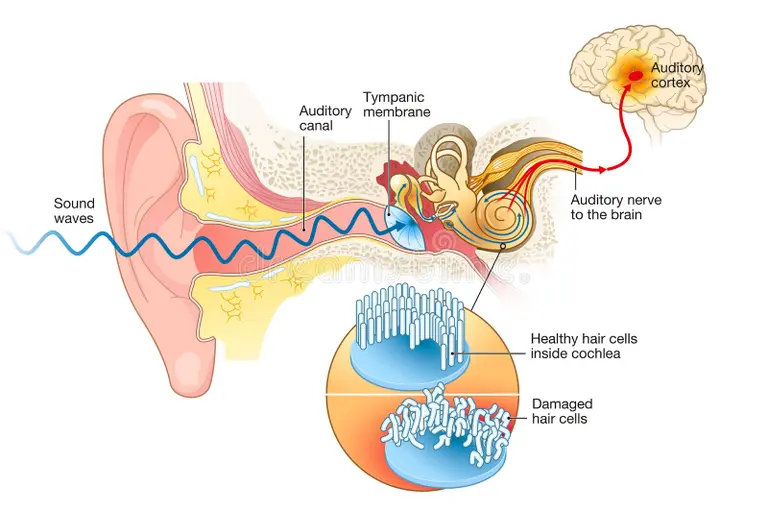
- Exposure to loud noises: Prolonged exposure to loud noises, such as music concerts or heavy machinery, can damage the hair cells in the inner ear. This damage can lead to hearing loss and the onset of tinnitus. Even short-term exposure to extremely loud sounds can cause temporary tinnitus, which may become permanent with repeated exposure.
- Aging: As people age, they are more likely to experience age-related hearing loss, known as presbycusis. This natural decline in hearing ability can also be accompanied by tinnitus, as the auditory system becomes less efficient in processing sounds.
- Underlying health conditions: Various health conditions can contribute to tinnitus. These include:
- Ear infections: Infections in the middle or inner ear can cause inflammation and fluid buildup, leading to tinnitus symptoms.
- High blood pressure: Hypertension can affect the blood flow to the ears, resulting in pulsatile tinnitus, where the tinnitus sound beats in time with the pulse.
- Earwax buildup: Excessive earwax can block the ear canal, causing pressure and irritation that may lead to tinnitus.
- Otosclerosis: This condition involves the abnormal growth of bone in the middle ear, which can interfere with hearing and lead to tinnitus.
- Temporomandibular joint (TMJ) disorders: Problems with the TMJ, which connects the jaw to the skull, can affect the ear’s structures and cause tinnitus.
- Medications: Some medications can cause or exacerbate tinnitus as a side effect. These include certain antibiotics, diuretics, and high doses of aspirin. It is essential to consult a healthcare professional if you suspect your medication is affecting your hearing.
- Head and neck injuries: Trauma to the head or neck can damage the auditory nerves or brain pathways associated with hearing, potentially leading to tinnitus. Such injuries can result from accidents, falls, or other physical impacts.
Understanding these causes can help identify the appropriate treatment and management strategies for tinnitus.
Tinnitus Diagnosis in The Philippines
Diagnosing tinnitus requires a comprehensive and systematic approach to identify the underlying causes and contributing factors. The process involves the following:
Medical History Review
A thorough review of your medical history to identify potential causes and contributing factors to your tinnitus. Your audiologist will inquire about your exposure to loud noises, medications you are taking, and any existing health conditions, such as high blood pressure or ear infections. Understanding your medical history helps in identifying potential causes and tailoring the appropriate treatment plan.
Conduct Hearing Test
A detailed hearing assessment is conducted to assess the extent and nature of hearing loss, which is often associated with tinnitus. This assessment measures your ability to hear sounds at different pitches and volumes. By determining the specific frequencies affected by hearing loss, the audiologist can better understand the severity of your tinnitus and its impact on your hearing.
Advanced Imaging (Optional)
In some cases, advanced imaging techniques may be recommended to explore any underlying structural issues contributing to tinnitus. These optional tests, such as magnetic resonance imaging (MRI) or computed tomography (CT) scans, provide detailed images of the ear and brain structures. Advanced imaging can help identify abnormalities, such as tumors or vascular issues, that may be causing or exacerbating tinnitus symptoms.
Our Team
These are the audiologists who will help you manage your tinnitus symptoms.
Our specialists are experts in providing services in the prevention, diagnosis, and evidenced-based treatment of hearing and balance disorders for people of all ages. Hearing and balance disorders are very complex with medical, psychological, physical, social, educational, and employment implications. Our team of specialists are trained in the Philippines and abroad to properly provide professional and personalised services to minimise the negative impact of these disorders. Our goal is to provide our clients with a full experience to improve outcomes of hearing aid usage and their quality of life.
Our team works in a variety of settings and depending on Hear Life Philippines branches, we specialise in pediatrics, geriatrics, balance, cochlear implants, hearing aids, tinnitus and auditory processing.
Frequently Asked Questions About Tinnitus Treatment in the Philippines
Our team of hearing care professionals are always ready to serve you. We also provide exceptional after care service for all our clients.